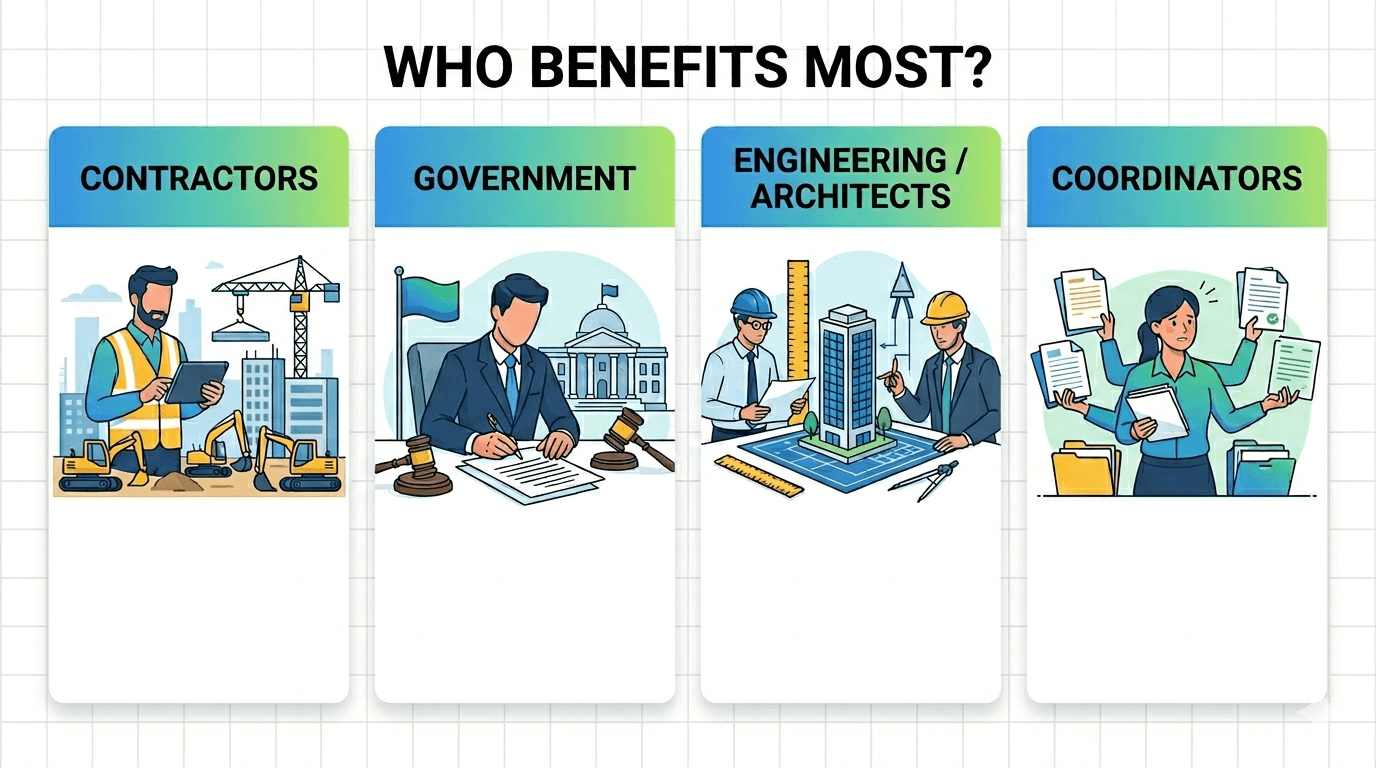
Why Traditional Proposal Methods Are Failing Construction Companies
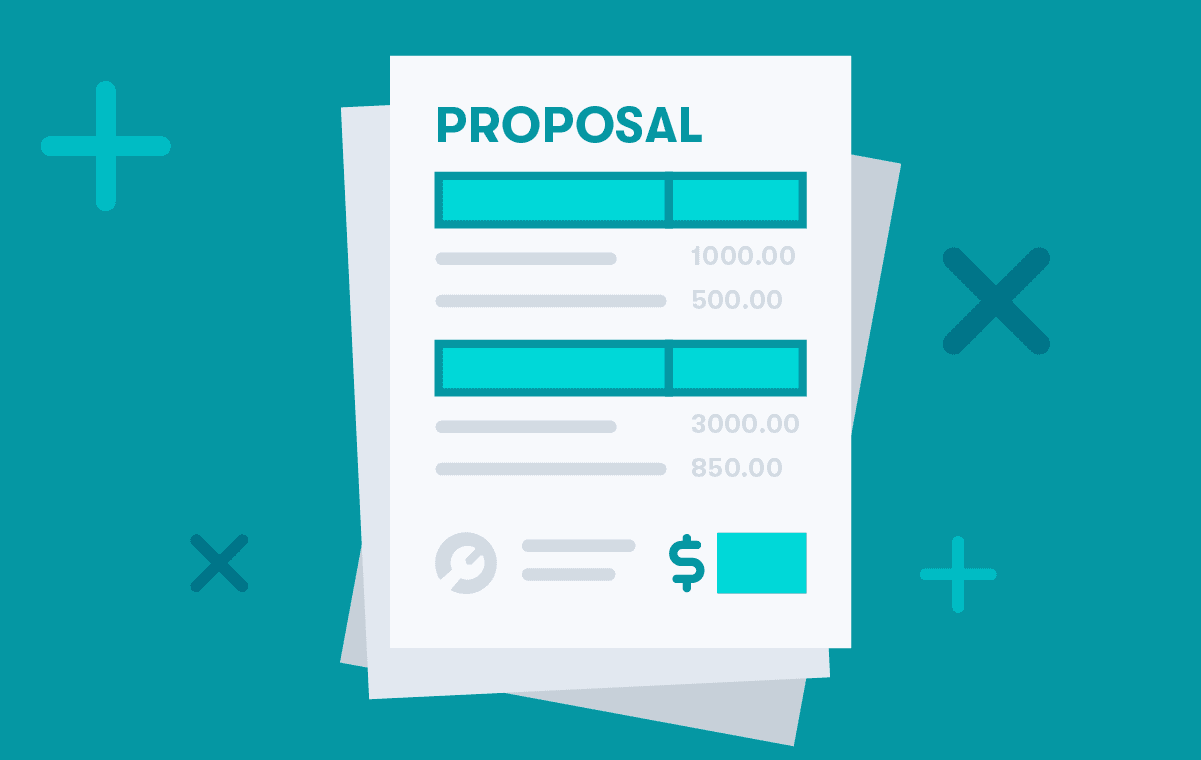
For most construction companies, responding to an RFP looks something like this. The RFP drops on a Monday. Someone forwards it to the proposal coordinator. The proposal coordinator opens it, sees it's 80 pages long, and immediately feels that familiar sense of dread.
The deadline is in two weeks. The proposal needs team resumes, past project descriptions, safety records, certifications, a technical approach narrative, a management plan, and responses to about 50 specific requirements scattered throughout the document. All of this content exists somewhere. The problem is finding it.
The project manager's resume was last updated in 2022 and is saved on his laptop. The best past project description is buried in a proposal from three years ago that nobody can find. The safety certifications are in someone's email. The reference letters are in a filing cabinet. By the time the proposal coordinator has tracked everything down, a week has passed and there are seven days left to actually write the thing.
So the writing begins. Under pressure and short on time, the coordinator copies and pastes from old proposals, uses generic descriptions because the specific details can't be found fast enough, and writes a technical approach that's vague enough to apply to almost any project. The RFP asked for experience with healthcare facility renovations in occupied spaces. The proposal says "extensive commercial renovation experience." Close enough, right? Wrong.
Evaluators score proposals based on how specifically they address requirements. When one proposal says "extensive commercial renovation experience" and another lists three specific healthcare facility renovation projects with square footage, client names, and details about managing work in occupied spaces, the second proposal wins. Every time.
This is the fundamental problem with traditional RFP response methods. They weren't designed for speed or specificity. They were designed for a time when companies responded to one or two RFPs per month and had weeks to craft a detailed response. That time is gone.
Today, construction companies need to respond to more opportunities than ever to maintain a competitive pipeline. Win rates in commercial construction hover around 20-30% for most firms, which means you need to submit three to five proposals for every contract you want to win. If each proposal takes 40 hours, you need 120-200 hours of proposal work per month just to win two or three jobs. For most companies, that's not realistic with existing staff.
The result is a impossible cycle. You don't have time to respond to everything, so you respond to less. You respond to less, so you win less. You win less, so revenue suffers. Revenue suffers, so you can't hire more proposal staff. And you're right back where you started.
The companies breaking out of this cycle aren't hiring more proposal coordinators. They're fixing the process itself. They're moving from a reactive, start-from-scratch approach to a systematic, content-first approach that uses technology to do the heavy lifting.
The first step is recognizing that the traditional method is broken. Not because the people doing it aren't talented or hardworking. But because the process itself was never designed to handle the volume, complexity, and speed that modern construction bidding requires.
The good news is that there's a better way. AI proposal writing software is giving construction companies the ability to respond to more RFPs in less time with higher quality responses. The companies adopting these tools are winning more work, growing faster, and competing effectively against firms twice their size.
But it starts with acknowledging that the old way isn't working anymore.
If your proposal team is spending 40 hours per RFP, turning down opportunities because you don't have bandwidth, or losing bids to bigger firms with more proposal resources, the problem isn't your capability. It's your process.
Try Pozal.AI free at pozal.ai and see how much time you save on your next proposal.

Blogs
Read Our Blogs and News
Discover expert insights, trends, and tips that help you navigate the world of finance and technology.